Is Reaction Time Genetic? Nature vs. Nurture in Reflex Speed
December 15, 2025 | By Marcus Adler
Ever wondered why some people seem born with lightning-fast reflexes, catching a falling phone with ease while others watch it hit the floor? It’s a question that fascinates gamers, athletes, and anyone curious about human performance. Think you're stuck with slow reflexes? Think again.
This article explores the classic "nature vs. nurture" debate as it applies to your reaction speed. We'll dive into the science, explore the powerful impact of your environment, and give you actionable ways to test and improve your own abilities. Understanding the balance between your genetic blueprint and your daily habits is the first step toward unlocking peak performance. To find out your personal baseline, take our free test and see where you stand.

Unpacking the Genetics of Reaction Time: What Science Says
Let's cut to the chase: your genes do matter—a lot. Your DNA provides the fundamental instructions for building and operating your nervous system. This biological framework sets a potential range for how quickly you can respond to stimuli, forming the "nature" side of the equation.
The Role of DNA in Your Reflex Blueprint
Think of your nervous system as the electrical wiring of a house. Your genes determine the quality of that wiring. They influence factors like:
- Nerve Fiber Myelination: Myelin is a fatty sheath that insulates nerve fibers, allowing electrical signals to travel much faster. Genetics can affect the thickness and efficiency of this insulation. Better myelination means quicker communication between your eyes, brain, and muscles.
- Neurotransmitter Efficiency: The speed at which your brain cells (neurons) communicate depends on chemicals called neurotransmitters. Your DNA helps regulate the production and reception of these chemicals, impacting how quickly a signal can jump from one neuron to the next.
- Muscle Fiber Type: Genes also influence the ratio of fast-twitch to slow-twitch muscle fibers in your body. Fast-twitch fibers contract quickly and powerfully, which is essential for rapid physical responses like clicking a mouse or hitting a brake pedal.
While you can't change these genetic instructions, they establish your baseline potential. They are the natural starting point from which all training and lifestyle improvements are built.
Insights from Twin Studies and Heritability Research
How do scientists know genetics are so important? One of the most powerful tools is twin studies. Researchers compare identical twins—they share 100% DNA—to fraternal twins, who share 50%. This isolates genes' impact on traits like reflex speed.
Studies consistently show that identical twins have far more similar reaction times than fraternal twins, even when raised in different environments. This provides strong evidence that a significant portion of our response speed is inherited. Scientists use a concept called "heritability" to measure this. Estimates vary. But research shows simple reaction time is moderately to highly heritable. Genetics explain much of why people differ. However, heritability is not 100%, leaving plenty of room for other factors to make a difference.
Beyond DNA: How Nurture Shapes Reflex Speed
While your genes lay the foundation, they don’t tell the whole story. The "nurture" side of the debate—encompassing your lifestyle, environment, and training—is incredibly powerful. These factors determine whether you reach the upper or lower end of your genetic potential.
Environmental Factors and Lifestyle Impacting Reaction Time
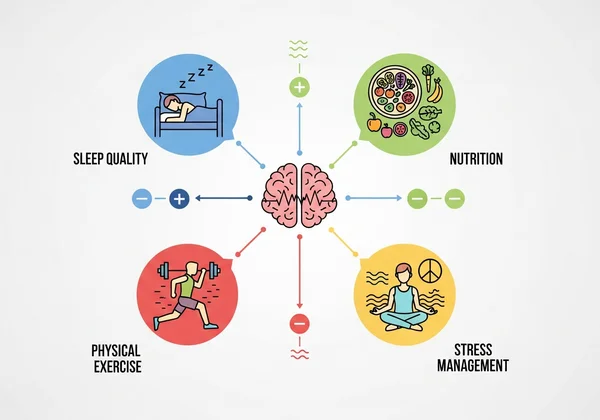
Your daily habits have a direct and measurable effect on how fast you can react. Many of these are within your control and can lead to significant improvements. Key factors include:
-
Sleep: This is perhaps the most critical factor. Sleep deprivation slows down cognitive processing and delays neural signals. A single night of poor sleep can noticeably increase your reaction time.
-
Nutrition and Hydration: Your brain needs fuel to function optimally. A balanced diet rich in vitamins and minerals supports neural health. Dehydration, even mild, can impair focus and slow down your responses.
-
Physical Exercise: Regular aerobic exercise improves blood flow to the brain, promoting the growth of new neurons and enhancing overall cognitive function, including response speed.
-
Stress and Fatigue: High levels of stress or mental burnout flood your system with cortisol, a hormone that can interfere with clear thinking and quick reflexes.
-
Stimulants: While caffeine can provide a temporary boost in alertness and decrease reaction time, over-reliance can lead to jitters and an eventual crash, harming performance in the long run.
Neuroplasticity and the Power of Reaction Time Training
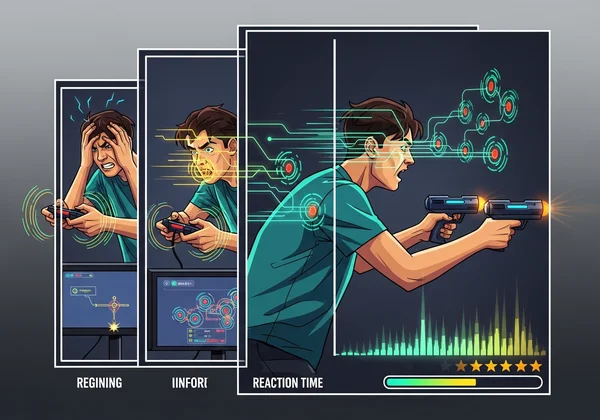
This is where the science of self-improvement gets exciting. Your brain isn't fixed; it's incredibly adaptable. This ability, known as neuroplasticity, allows it to reorganize itself by forming new neural connections throughout your life.
Practice strengthens neural pathways. Picture a forest path: slow at first. Repetition clears it, making signals zip faster. The same thing happens in your brain. Consistent practice with a reaction time trainer makes the signal from your eyes to your fingers more efficient, shaving precious milliseconds off your score. This proves that no matter your genetic starting point, dedicated training works.
Benchmarking Your Reflexes: Heritability and Personal Improvement
So, how do you put all this information together? The key is to understand your genetic potential while focusing on the actionable steps you can take to improve. The first step is to establish a baseline by measuring your current performance.
Average Reaction Times: Where Do You Stand?
Knowing the general averages can provide useful context. For a simple visual stimulus test, like the one on our site, here are some typical ranges:
- Average Human: Around 250 milliseconds (ms).
- Above Average: Between 200-220 ms.
- Exceptional (Pro Gamers/Athletes): Often below 170 ms, and sometimes even under 150 ms.
Keep in mind that scores can be influenced by your device, monitor refresh rate, and even your level of alertness at the moment of testing. The most important metric isn't how you compare to others, but how you improve against your own previous scores. The only way to know is to see your results for yourself.

Actionable Steps to Improve Your Reaction Speed Today
Ready to start sharpening your reflexes? You don't need a high-tech lab. You can begin making improvements right now with these practical steps:
- Practice Consistently: Set aside a few minutes each day to practice. Use an online tool to get instant feedback and track your progress over time. Consistency is more important than intensity.
- Prioritize Quality Sleep: Aim for 7-9 hours of uninterrupted sleep per night. This is non-negotiable for peak cognitive performance.
- Stay Hydrated: Keep a water bottle handy throughout the day. Even before you feel thirsty, your performance may already be declining.
- Engage in Fast-Paced Hobbies: Video games (especially first-person shooters or rhythm games), racket sports like ping-pong, or even juggling can be excellent forms of reaction training.
- Get Moving: Regular cardiovascular exercise is one of the best things you can do for your brain health and, by extension, your reflexes.
- Manage Your Stress: Practice mindfulness, meditation, or deep breathing exercises to keep your mind calm and focused, allowing for quicker and more accurate responses.
Genetic Potential vs. Trained Excellence: Your Reaction Time Journey
Bottom line? Yeah, genetics play a role. But they're not the full story—you can outpace them with smart training. Your DNA sets your potential, but your habits and lifestyle determine your actual performance. You cannot change your genes, but you have immense control over the factors that shape your reflexes every single day.
Think of your genetic potential as a car's engine. Some are born with a V8, others with a four-cylinder. But the driver—through skill, practice, and maintenance—is the one who wins the race. By understanding both nature and nurture, you can stop wondering about your limits and start pushing them.
Ready to start your journey? Your first benchmark is just a click away. Test your reaction time now and discover your potential!
Frequently Asked Questions About Reaction Time Genetics
Is reaction time genetic or can it be fully trained?
It's a combination of both. Genetics provide a baseline and a potential ceiling for your reflex speed. However, training, lifestyle, and practice are what allow you to reach your peak potential within that genetic range. You can't out-train a truly significant genetic disadvantage, but you can absolutely improve your current reaction time dramatically through consistent effort.
What causes slow reaction time, beyond genetics?
Many factors can temporarily or chronically slow your reaction time. The most common culprits are fatigue from lack of sleep, poor nutrition, dehydration, high stress levels, and a sedentary lifestyle. Certain medications and medical conditions can also play a role. If you experience a sudden and significant decline in your reflexes, it is always best to consult a healthcare professional.
What is considered a good reaction time for my age group?
For young adults, a typical reaction time to a visual stimulus is around 200-270 milliseconds. This speed naturally slows by a few milliseconds per decade after your mid-20s. However, comparing yourself to a single number is less important than tracking your own progress. The best way to know what's good for you is to find your baseline and work on improving it.
How can I improve my reaction time for gaming if genetics play a role?
Even if genetics aren't in your favor, you can still become a formidable gamer. Focus on what you can control: optimize your hardware (a high-refresh-rate monitor and a low-latency mouse make a real difference), get enough sleep, and practice consistently with targeted drills. Using a reaction time test daily can sharpen the specific neural pathways needed for those crucial in-game moments.